
Master's Program Portfolio
A selection of work
a reflection of my writing development, from early research and structure, to more experimental work blending narrative and scholarship.
Literature Review for ENG 501: Approaches to Research. This piece made me feel like a real writer and like I was in the right program. My first draft was much longer; I love this subject and I didn't want to stop writing. I slimmed this literature review down for the course requirements and that's the version you see here. Learning to write in constraints was a vital step in this program. My MLA citation is a bit rough (this was my first major paper and I was getting the hang of it), but this is also where I learned to research and how structrure and voice come together on the page. I'm including it because this is when I stopped feeling like I was "trying grad school on for size" and started to feel like a master's candidate. I'll likely revisit this piece and extend my research.
Final Critical Essay for ENG 560: Magical Realism as a Global Genre. This was the course I most looked forward to. I came in expecting to learn how to write about witches or a guidebook on writing like one of my favorites, Alice Hoffman. Instead, we studied women's voices across race, class, and power. It wasn't what I expected but it changed how I think about writing and voice. Focusing on women's voices is key to my final capstone. Early in the course we read Kim Hall's "I Can't Love This the Way You Want Me To: Archival Blackness," a scholarly article written in a narrative, first-person voice. It stayed with me. It gave me permissiom to see a layer of flexibilty in academic writing, something with space for analysis and lived experience. I took a risk on this paper and leaned into that approach, pulling in my own experience with midlife loneliness to punctuate the research. The analysis felt genuinely my own. I did lose points for that choice...the feebdack was to write more traditionally, "more academically." But this piece marks an important shift for me. It's where I started to question "what counts as writing" and to believe narrative has a place in academic writing.
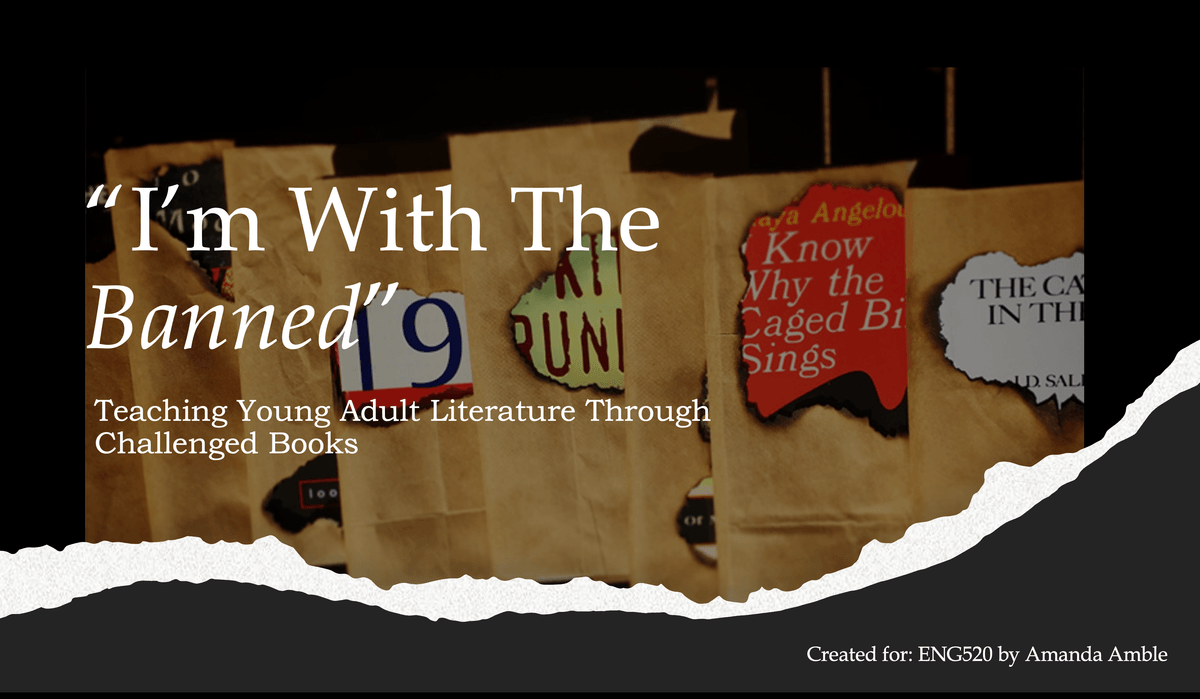
Final PechaKucha Lesson Plan for ENG 520: Teaching Young Adult Literature. This was the first class I took in the program and when I "met" my classmates, (mostly teachers) and saw the syllabus, I thought I made a horrible mistake. Was this program solely for educators? I quickly realized I was wrong. This class introduced me to the idea of voice in a way I hadn't fully considered before, and to the responsibility of telling stories, especially those of underprivleged and marginazlied groups. One of the modules focused on Banned Books and since banning books runs counter to everything I believe in, I found myself more invested than expected. My PechaKucka (my first ever!) focused on how educators can move past censorship pressures and continue sharing the stories students need to hear. The format itself was a challenge; tight timing, narrated slides, no room to wander. I felt like a caffeine fueled chipmunk trying to keep up with my own ideas, but I think the presentation was successful. This piece is another shift for me. It introduced a new format, forced me to focus on clarity and introduced the idea that writing is a form of advocacy.
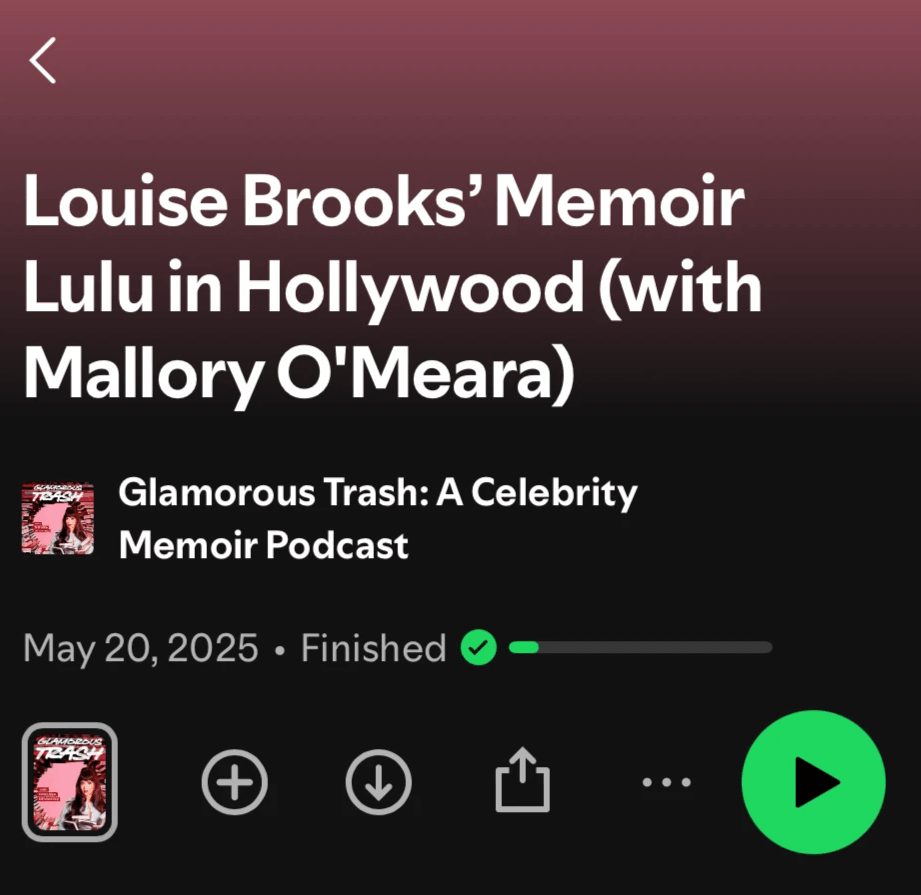
Final Research Paper for ENG 553: Technologies of Writing. This was another course that wasn't what I expected. I guess I should have honed in on that technologies part in the course catalog. The course introduced me to multimodality, and it was the first time I was asked to seriously consider "what counts as writing." For the final paper, I chose a topic I was already obsessed with: podcasts. Just like my earlier Frank Lloyd Wright piece, I came in with a question I'd been mulling over ever since I was introduced to the term parasocial. Why did I feel closer to podcast hosts than the lifelong friends I left behind when I moved to Oregon? Closer than some family even? I took a chance and wove personal narrative with research again (hello loneliness). This time the risk paid off and the positive response to the piece showed me that writng with a researcher's curiosity and a little lived experience has value. More than anything, this course and this project solidified the early tingles I had in the Intro to Research course. I love the process of following a question, testing it through research, and shaping it into something I can share with others. It's something I want to ruminate on as I think next steps.

Final Research Paper for LIN 517: History of the English Language. This course was one of my favorites. I've always loved history, and tracing how language forms and evolves brought history to life in a way that felt more immediate. Even my husband was pulled in, mostly as I complained about the challenge of translating my Middle English poem into something recognizable. I'm including this piece because it was a genuine joy to write. By this point in the program, I embraced my narrative-meets-research style and knew I could find a way into the history of language through another interest of mine: the Victorian era. This course also introduced me to the OED and I became a little obsessed. I started playing a game, breaking unfamiliar words into parts and guessing their origin before I looked them up to confirm my suspicions (or find out I was way off base). The curiosity carried into this piece. Once I started, it was difficult to stop adding examples, but it was another turning point in learning to edit and write with intention. I loved writing this piece and I still enjoy returning to it.
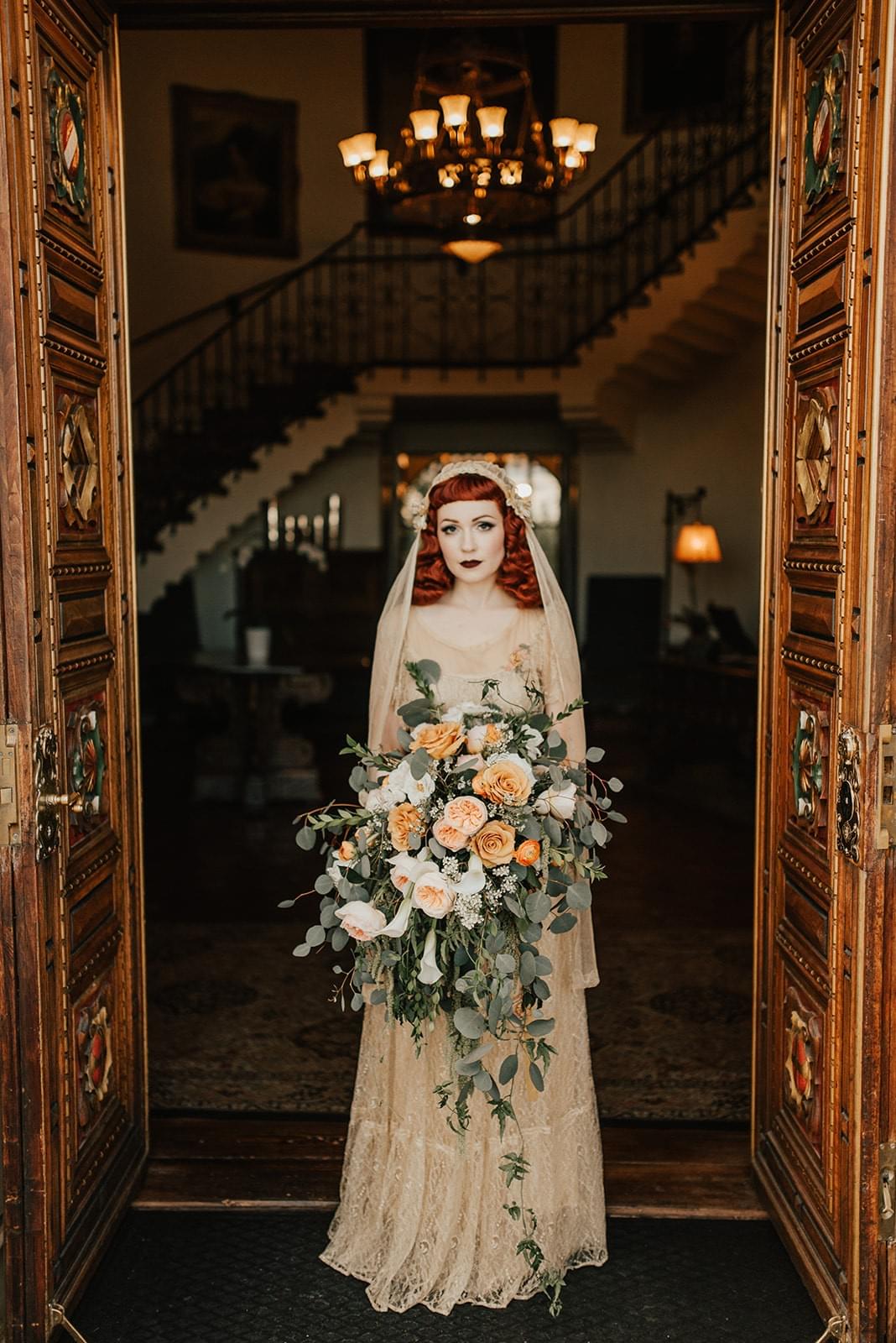
Case Study for FMS 503: Media Industries. This was my first opportunity to move beyond a literature review and write a true research paper, one that used writing to analyze sources and draw conclusions. I put a lot of pressure on myself to make it "really good" which, in hindsight, may have been part of the problem. I chose a topic I was introduced to through one of my favorite podcasts. The guest stated there were more women working in film in the silent film era than now. I found that shocking and worth exploration. There was no shortage of material, lots of books on the period, books on women in early Hollywood, but there were far fewer academic sources connecting the history to contemporary questions about women in the industry. This piece is ambitious, but I overextended. I got buried in research and turned in a piece closer to a book than a case study. I introduced a question but I didn't develop a focused argument or offer a clear conclusion. It was my lowest grade in the program (a B, which felt much worse at the time), but it forced me to really examine how I approach research and the scope of my final pieces. I learned that more sources don't necessarily make a stronger paper and that narrowing a question is just as important as answering it. More importantly I didn't walk away thinking I was a bad writer. I understood the piece didn't work as written but that it could with revision and clearer outline.
future research (capstone project)
An evolving research focus
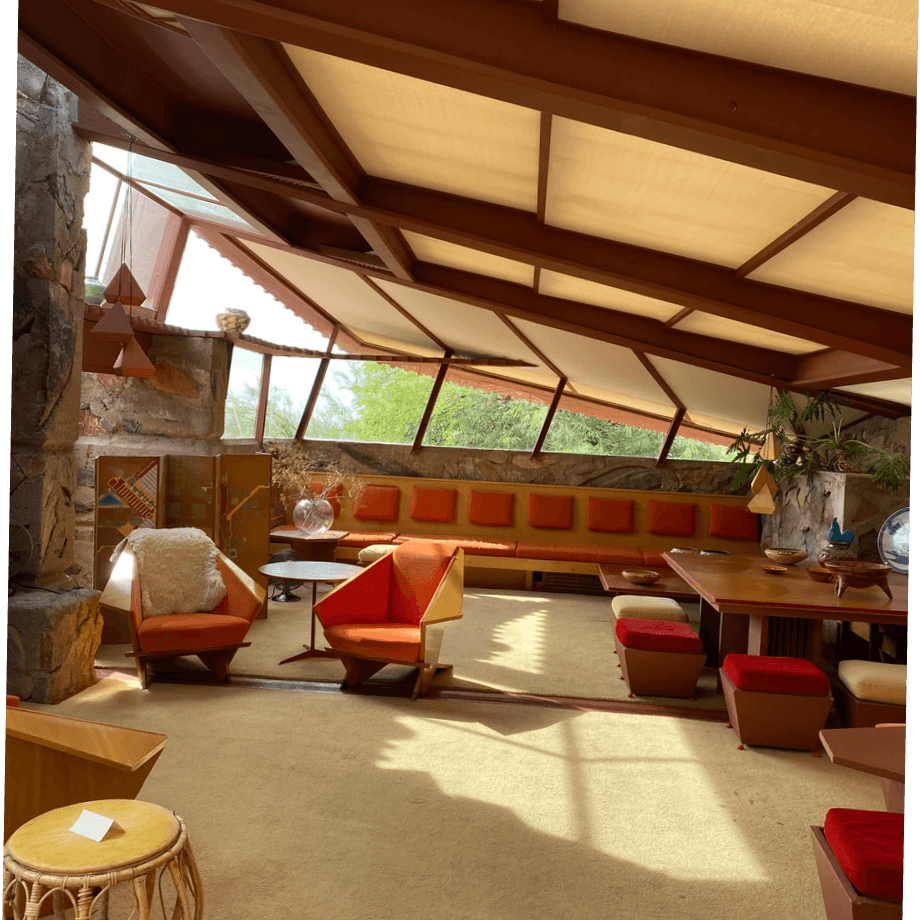
For my capstone, I want to examine Frank Lloyd Wright’s Usonian homes not just as architectural masterpieces, but as lived-in spaces. I focus on the experiences of the women who lived in them, drawing on letters, interviews, and personal accounts to understand how these spaces were actually inhabited, cared for, adapted, and remembered.
Wright’s work is often framed through philosophy and form, but rather than treating his homes as static works of art, this research gives voice to subjects often overlooked in architectural history. In doing so, it considers how architecture is shaped not only by design, but by domestic routines, memories and care.
Freelance work
textbook and ancillary work
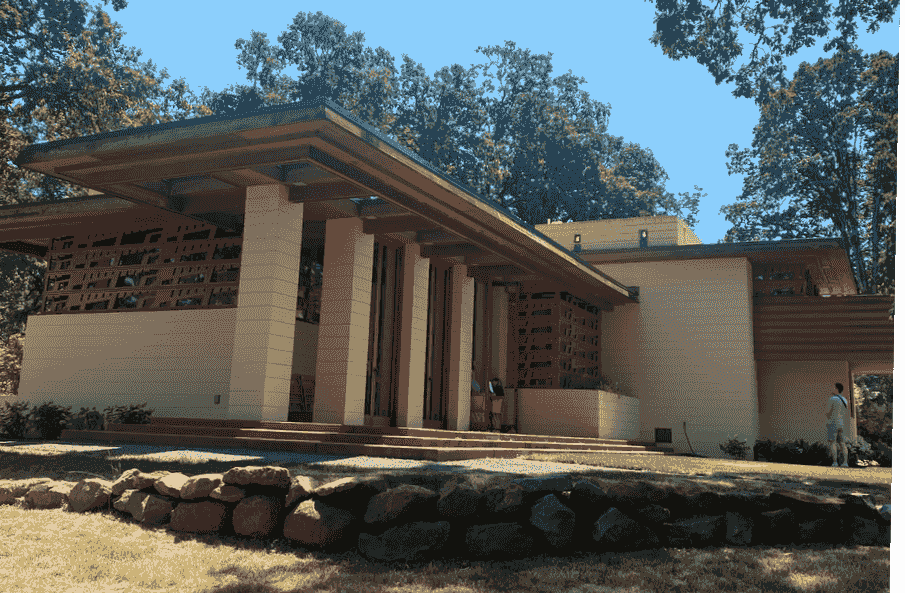
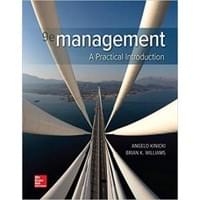
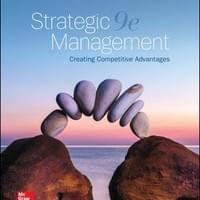
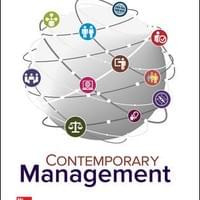
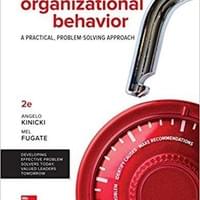
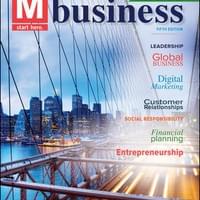
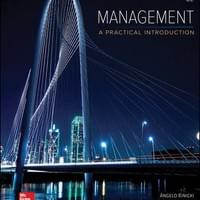
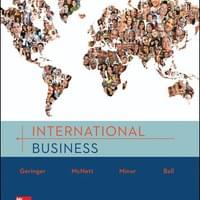
this work relects my earlier experience in publishing , where I was a rreelance editor and content creator for textbooks and ancillary materials for Mcgraw-hill. my work included editing, writing captions, heat mapping, research, and supproting instructional content across mulitple titles. this work was prdouced collaboratively and most is not individually credited, but it strengthened my ability to write clearly, edit with precision, and shape content for broad audiences.
Floral Design
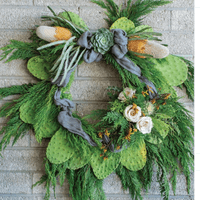
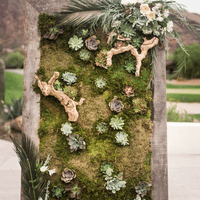
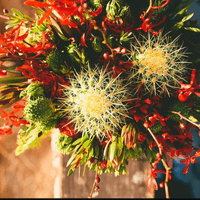
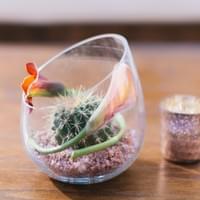
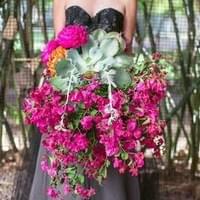
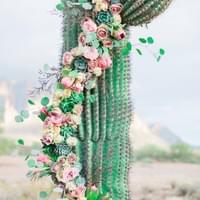
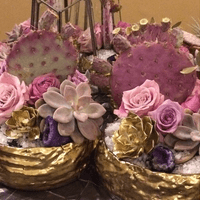
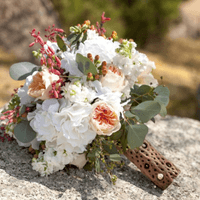
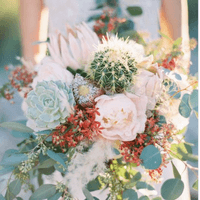
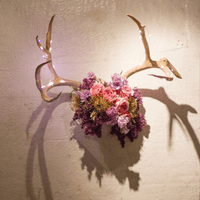
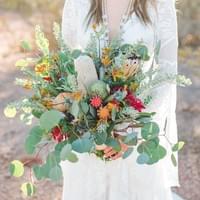
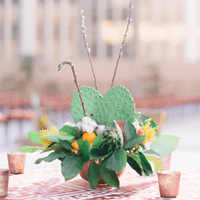
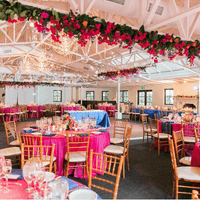
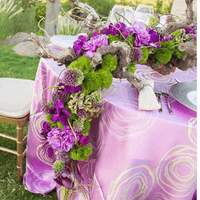
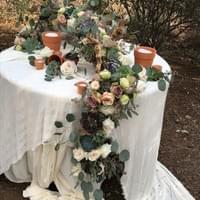
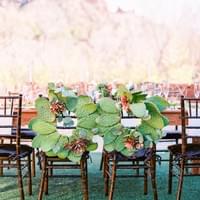
Floral design: a selection from butterfly petals
before i returned to writing, i spent nearly two decades as a floral designer, creating installations, environments and detailed compositions. this work is storytelling of another kind: through color, texture, and arranging elements in space.

Professional Resume
a brief overview of my professional experience across design, publishing and public humanities

frank lloyd wright's gordon house
Docent, Silverton Oregon
2025 - present

Mayesh Floral Wholesale
Buyer, Chandler Arizona
2021 - 2024
Taliesin west
Tour Guide, Scottsdale Arizona
2019 - 2021

Butterfly Petals
Owner, Designer & Creative Director, Tempe Arizona
2005-2019
this experience CONTINUES TO INFORM MY WORK; WHERE design, narrative and public engagement MEET
FULL RESUME AVAILABLE UPON REQUEST.
Education
academic training in writing, research and public humanities

Arizona state university Online
English (M.A.) 2025 - 2026
Focus: Public Humanities
Arizona State University
Journalism (BA) 1999 - 2003
Focus: Creative Writing, Editing, Public Relations